

Living with IgG4-RD
What the long-term prognosis looks like for people living with IgG4-RD.
Many patients do well with treatment
With timely recognition and treatment, many people with IgG4-RD do well on steroids or targeted therapies that calm the immune system and protect affected tissues.
Early diagnosis and treatment are key. When IgG4-RD is identified and treated before irreversible organ damage occurs, outcomes are significantly better. This underscores the importance of raising awareness among both patients and clinicians.
Untreated disease can be serious
IgG4-RD is characterised by mass-forming lesions with a relapsing-remitting course that might lead to organ failure if left untreated. The fibrotic phase of the disease can cause permanent damage to affected organs if not addressed promptly.
This is why early specialist referral and regular follow-up are important, even when patients feel well — the disease can progress silently and relapse after apparent remission.
Quality of life and research
The Federation was founded in part because the founders were convinced that more research is needed into the outlook for patients and their quality of life. How IgG4-RD impacts you may be very different from how it impacts someone else, but there is common ground among all people living with this disease.
Research into IgG4-RD is advancing rapidly. Clinical trials are ongoing to explore more targeted therapies. The IgG4ward! Foundation and ERN ReCONNET are actively involved in shaping international research and clinical guidelines.

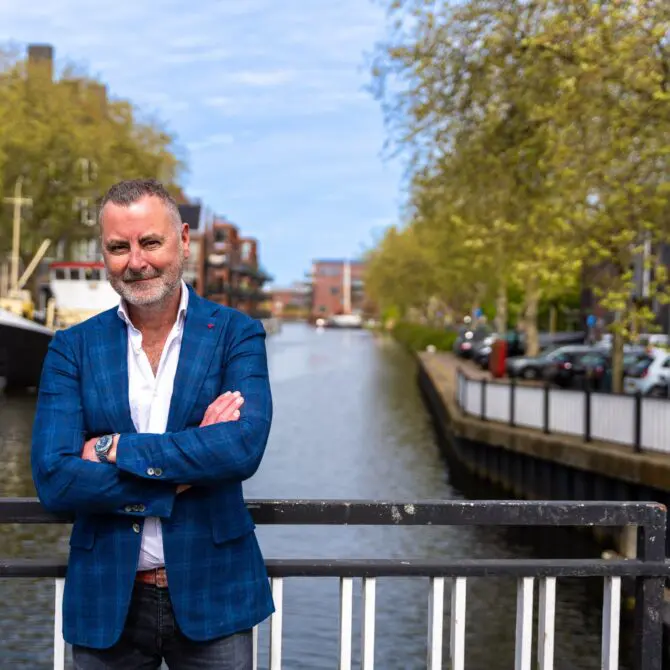
Carsten Sørensen
Patient & Treasurer, Denmark
As a co-founder and chair of the federation, I am proud to lead a community advocating for better recognition and care for IgG4-RD.
About the European Federation IgG4-RD
We are the bridge between you, the patient, be it as a direct member or through your own national association and the medical world and wider community. We connect knowledge, compassion, and advocacy across Europe for those affected by IgG4-Related Disease.